
Working as a lifeguard is a rewarding way to serve your community, build leadership skills, and gain valuable lifesaving training. Certified lifeguards help ensure a safe and enjoyable environment for everyone at our pools and aquatic facilities during the summer and year-round.
Lifeguarding offers many benefits:
Active seasonal employees are also eligible for discounted memberships and professional perks, including heavily discounted membership to both of our outdoor pools and The Well, our new recreation and wellness facility.
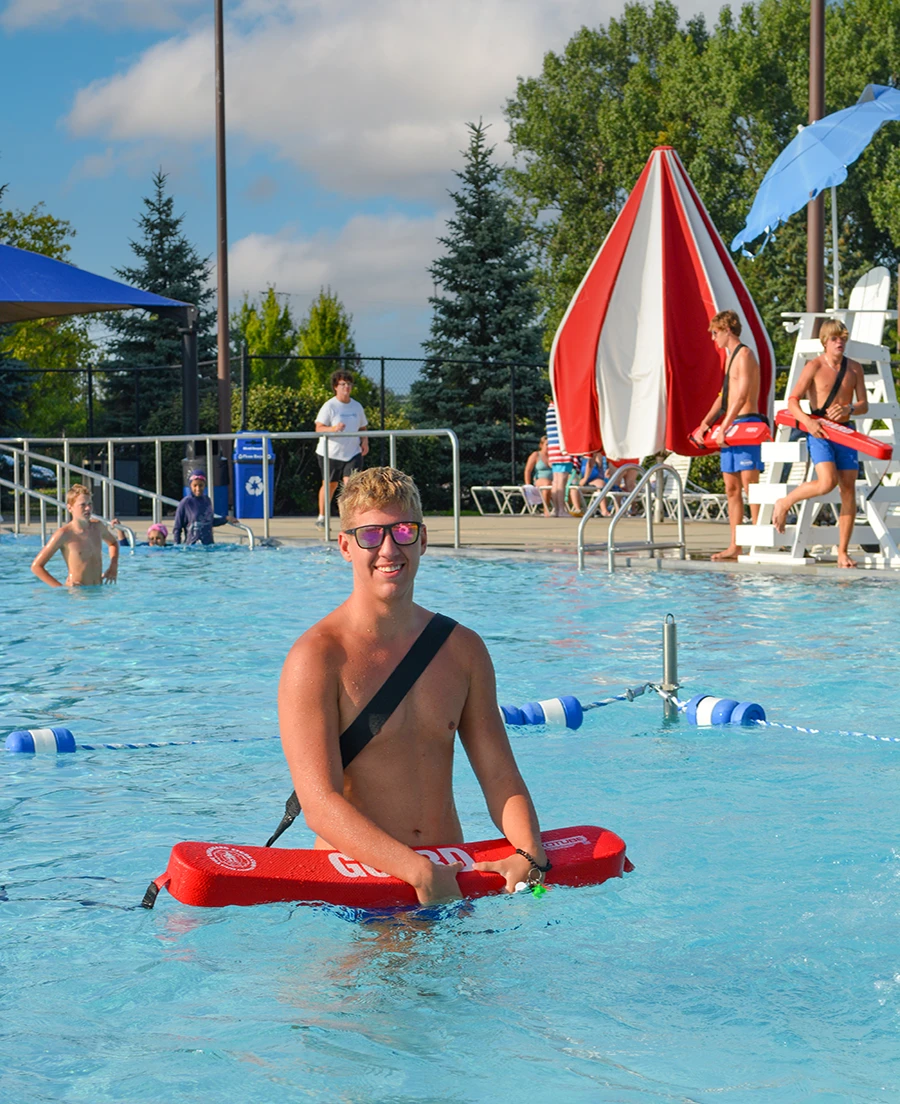
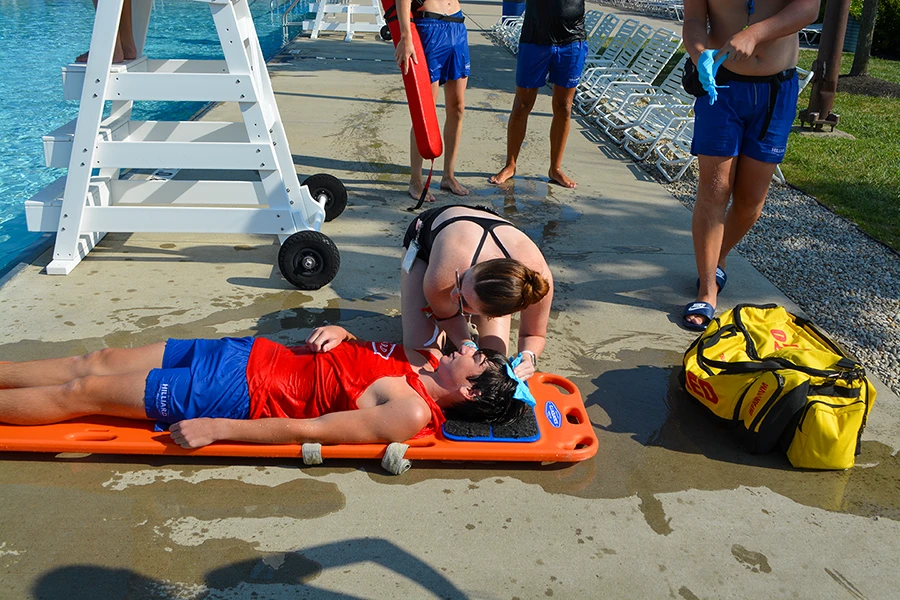
Our facility offers American Red Cross Lifeguarding certification courses that prepare participants to prevent emergencies, respond quickly, and provide care when it matters most. These certification courses are completely free to applicants. All training is done in-house by our own trusted staff.
Certification Includes:
Certification Length: Valid for 2 years
Course Length: Approximately 25–30 hours (varies by course schedule)
Course Format: Blended learning with online coursework and in-person skill sessions.
The American Red Cross Lifeguarding course provides comprehensive training in:
Participants will practice skills both in the classroom and in the water through hands-on training and real-world scenarios.
Before enrolling in the lifeguarding course, participants must:
Be at least 15 years old by the last day of the course.
Complete the pre-requisite swim test administered by our Aquatics staff:
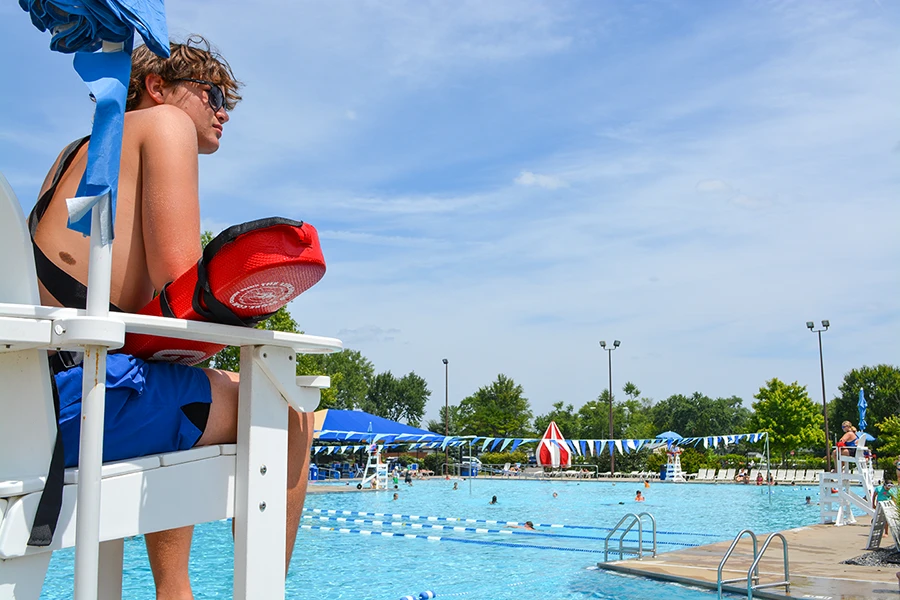
Interested in becoming a lifeguard? Apply for a lifeguarding position to be put in contact with our team and begin the certification process. Already certified? Certified lifeguards are also encouraged to apply for positions with our aquatic facilities.
Demonstrate the required swimming and rescue skills at the beginning of the course.
Sign up for an upcoming American Red Cross Lifeguarding class through our Recreation & Parks department Aquatics division.
Attend all sessions and successfully pass:
Once you pass the course, you’ll receive your American Red Cross Lifeguarding certification, valid for 2 years. Use your new certification to create a safe swim environment for our community.
For more information about lifeguard certification or employment opportunities, click here to contact us.
Our aquatic facilities hire lifeguards year-round for:
Applicants must hold or obtain a current American Red Cross Lifeguard Certification before employment begins.